

The Story Behind The Quiet Reckoning
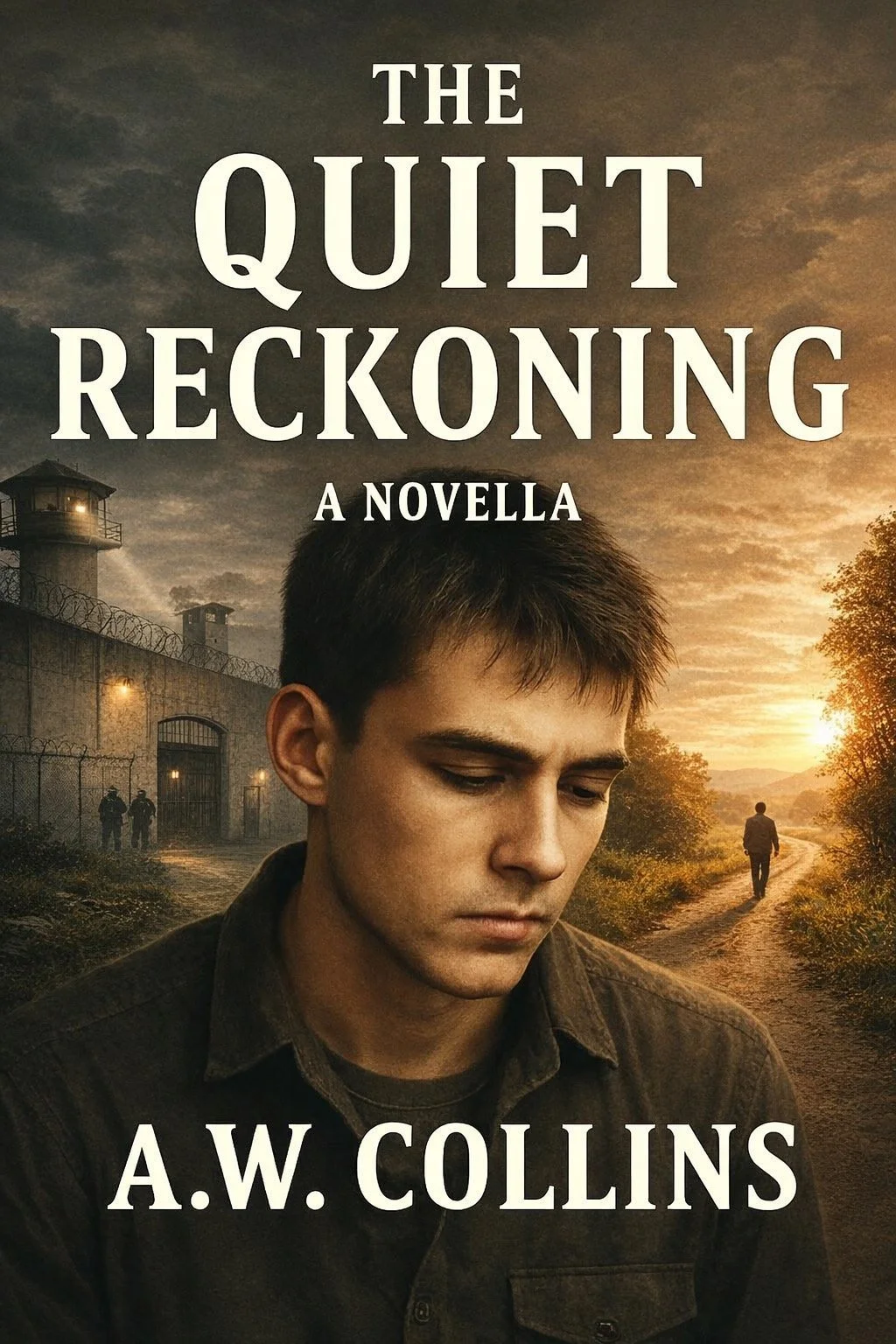
Official Book Cover For The Quiet Reckoning By A.W. Collins
Every story has an origin.
Sometimes it begins with a character. Sometimes with a single moment that refuses to leave the writer’s mind. The Quiet Reckoning began with a question that lingered long after the final page of The Quiet Storm was written. What happens after the storm passes?
In The Quiet Storm, the story builds toward a moment of desperate violence born from years of fear, anger, and survival. It is the story of a boy pushed beyond what a child should ever endure. When the final scene was written, the story felt complete in one sense, but emotionally it wasn’t finished. Life doesn’t simply reset after a single explosive moment. The consequences of trauma, choices, and survival continue long after the act itself. That lingering aftermath is where The Quiet Reckoning was born.
The Weight of Survival
Rather than telling another story about violence, the intention behind this book was to explore what comes after; the emotional, legal, and moral reckoning that follows a life-altering act. Andy is no longer simply reacting to abuse. He is now living with the weight of what he has done. Even when the violence may feel justified in the moment, the mind and heart don’t escape unscathed.
The story also became an exploration of how different people respond to truth and responsibility. Marie represents the quiet, sacrificial love of a mother willing to carry a burden that was never truly hers. Detective Graves represents the persistent search for truth, even when the answers are uncomfortable. And Andy stands in the middle of it all, caught between guilt, survival, and the uncertain possibility of redemption.
When Justice is Complicated
One of the driving ideas behind the novella is that justice is rarely simple. The legal system looks for facts and evidence, but human stories are filled with emotions, motivations, and histories that cannot easily be placed into evidence bags or courtroom testimony. The Quiet Reckoning explores that tension and the difference between what is legally provable and what is morally complicated.
Another important theme that shaped the story is the long shadow of childhood trauma. Violence does not appear in a vacuum. It grows in silence, in fear, and in the slow accumulation of moments that shape who a person becomes. The novella attempts to show how those experiences can fracture a young life, while also asking whether healing is still possible afterward.
The Lingering Aftermath
In many ways, The Quiet Reckoning is quieter than its predecessor, but the silence carries weight. The storm has passed, but the emotional debris remains scattered across the lives of everyone involved. The investigation, the courtroom, and the personal struggles are all pieces of the same question: Can a life defined by one terrible moment ever move forward?
That question doesn’t come with an easy answer, and the novella never tries to offer one. Instead, it invites readers to walk alongside the characters as they navigate guilt, truth, and the complicated path toward accountability. Because sometimes the loudest consequences are not the ones that echo in gunshots or sirens. Sometimes they are the quiet reckonings that follow.
—A.W. Collins