

Indie Authors and the Daily Battle Against Scams
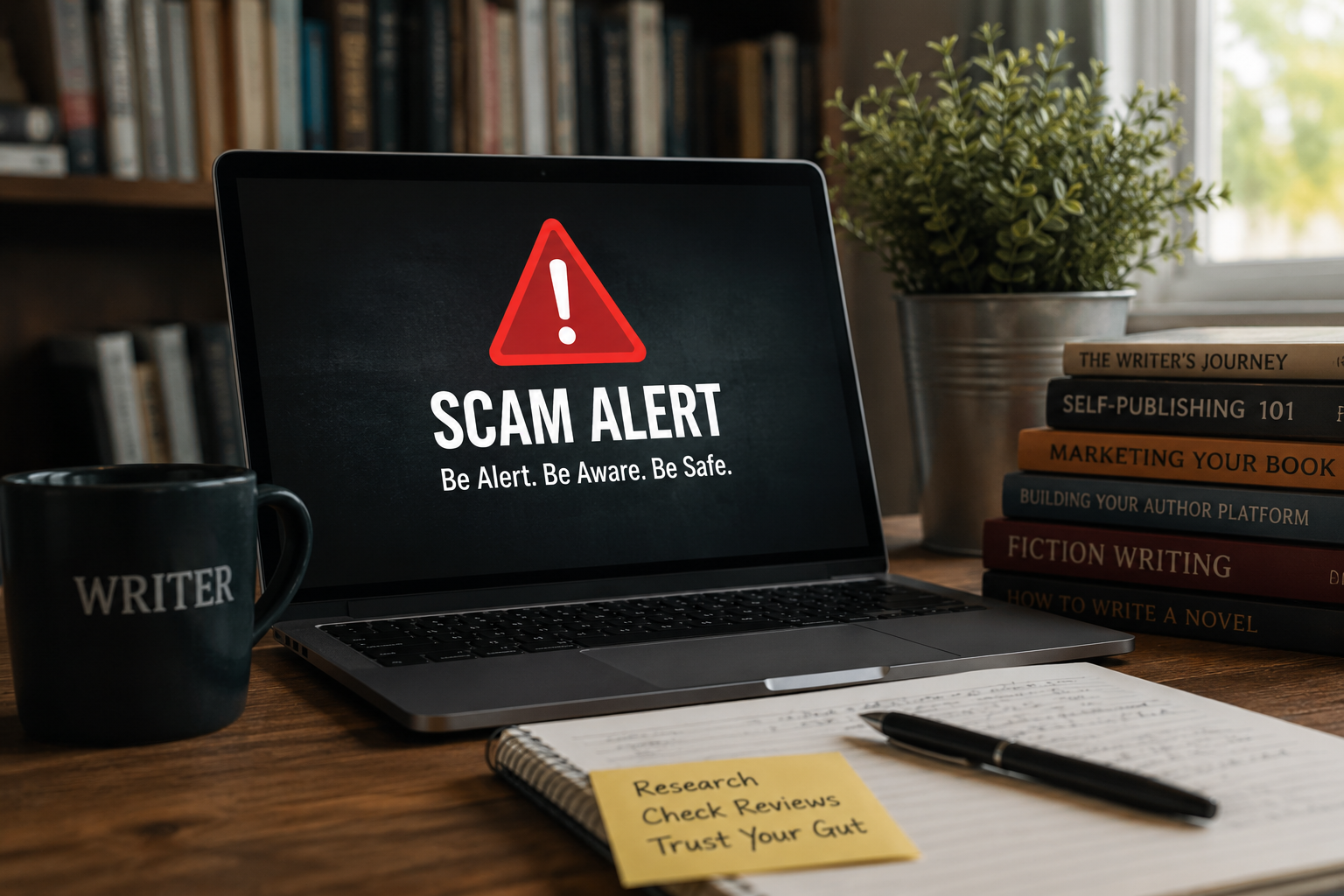
The rise of self-publishing has opened doors for countless writers. Today, anyone with a story to tell can publish a book and reach readers around the world without waiting for approval from a traditional publishing house. While this freedom has created incredible opportunities, it has also attracted a growing number of scammers looking to exploit aspiring authors. For many indie authors, avoiding scams has become an unfortunate part of everyday life.
Why Authors Are Targeted
Authors are often passionate, hopeful, and eager to see their work succeed. Scammers understand this. They know that writers invest years of effort into their books and may be willing to spend money on services that promise greater visibility, higher sales, or even movie deals. Unfortunately, many of these promises are too good to be true. Scammers frequently prey on an author’s desire for recognition, offering services that sound professional but deliver little or no value.
Common Scams Facing Indie Authors
The Fake Marketing Expert
One of the most common scams involves individuals or companies claiming they can dramatically increase book sales through special marketing techniques. They often promise bestseller status, thousands of readers, or guaranteed sales. In reality, many simply take the author’s money and provide generic social media posts, low-quality advertising, or no meaningful service at all.
The Movie Deal Scam
Many authors dream of seeing their stories adapted for film or television. Scammers exploit this dream by contacting authors and claiming that a producer, studio, or agent is interested in their book. The catch? The author must first pay for evaluations, promotional packages, legal reviews, or other unnecessary services. Once the payment is made, the supposed opportunity often disappears.
Fake Literary Agents
Some scammers pose as literary agents seeking new talent. They praise the author’s work and offer representation but require upfront fees for editing, submissions, or administrative costs. Legitimate literary agents generally earn commissions from book sales, not large upfront payments from writers.
Bogus Book Reviews
Reviews are valuable for any book’s success, which makes them another target for scams. Some companies promise hundreds of positive reviews for a fee. These reviews are often fake, violate retailer policies, and can damage an author’s credibility if discovered.
Vanity Publishing Traps
Not all publishing service companies are scams, but some operate with questionable practices. They may charge thousands of dollars for services worth only a fraction of the cost while making unrealistic promises about sales and distribution. Authors should carefully research any company before signing contracts or sending money.
Red Flags Every Author Should Watch For
While scams take many forms, they often share common warning signs:
Guaranteed bestseller status
Promises of movie deals or major publishing contracts
High-pressure sales tactics
Requests for large upfront payments
Vague explanations of services
Lack of verifiable success stories
Unsolicited contact praising your book excessively
Contracts that are difficult to understand
If something sounds too good to be true, it usually is.
Protecting Yourself
The best defense against scams is education. Before hiring anyone or purchasing a service:
Research the company thoroughly.
Look for independent reviews.
Ask other authors for recommendations.
Verify credentials and professional history.
Read contracts carefully.
Take time before making financial decisions.
Scammers thrive on urgency. Legitimate professionals understand that authors need time to evaluate opportunities.
The Good News
Despite the scams, the indie publishing world remains full of honest editors, cover designers, marketers, and publishing professionals who genuinely help authors succeed. The key is learning to distinguish between legitimate services and empty promises.
Publishing a book requires courage, creativity, and persistence. Protecting your work from scammers is now part of that journey. By staying informed and asking questions, indie authors can focus on what truly matters; writing great stories and connecting with readers. Your book deserves readers. It doesn’t deserve scammers.
—A.W. Collins